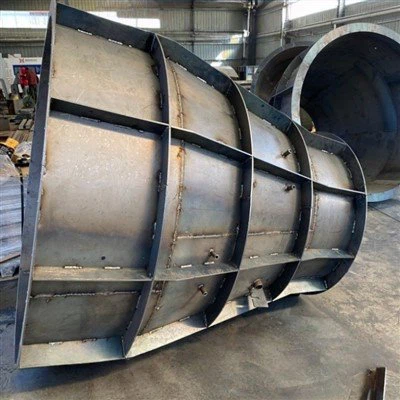
Fiberglass, a composite material made of fine glass fibers, has long been recognized for its versatility and durability. As a supplier of fiberglass products, I’ve often been asked whether these products can be used in telecommunications applications. In this blog post, I’ll explore the potential of fiberglass in the telecommunications industry, highlighting its advantages, applications, and considerations. Fiberglass Products
Advantages of Fiberglass in Telecommunications
1. High Strength and Durability
Fiberglass is known for its excellent strength – to – weight ratio. In telecommunications, where cables and equipment need to withstand various environmental conditions, this property is crucial. Fiberglass can resist physical damage from bending, pulling, and impact, ensuring the long – term integrity of telecommunications infrastructure. For example, fiberglass – reinforced cables are less likely to break or be damaged during installation or when exposed to harsh weather conditions such as strong winds or heavy snow.
2. Electrical Insulation
One of the most important properties of fiberglass in telecommunications is its electrical insulation. Telecommunications systems rely on the proper transmission of electrical signals. Fiberglass does not conduct electricity, which means it can be used to protect cables and equipment from electrical interference. This is particularly important in areas with high electromagnetic fields, such as near power lines or in industrial settings. By using fiberglass insulation, the quality of the telecommunications signal can be maintained, reducing the risk of signal loss or distortion.
3. Corrosion Resistance
Telecommunications equipment is often exposed to moisture, chemicals, and other corrosive elements. Fiberglass is highly resistant to corrosion, making it an ideal material for outdoor and underground telecommunications applications. Unlike metal components, which can rust and degrade over time, fiberglass products can maintain their performance and structural integrity for many years. This reduces the need for frequent maintenance and replacement, saving both time and money in the long run.
4. Lightweight
The lightweight nature of fiberglass is another significant advantage in telecommunications. When it comes to installing cables and equipment, a lighter material is easier to handle and transport. This can lead to reduced installation costs and increased efficiency. For example, fiberglass poles are much lighter than traditional wooden or steel poles, making them easier to install in hard – to – reach areas.
Applications of Fiberglass in Telecommunications
1. Fiberglass Cables
Fiberglass is widely used in the production of optical fiber cables. Optical fibers are made of thin strands of glass, which are capable of transmitting data at high speeds over long distances. The outer layer of these cables is often made of fiberglass – reinforced plastic (FRP), which provides protection and strength. FRP cables are not only strong and durable but also resistant to environmental factors such as moisture and UV radiation.
2. Fiberglass Poles
In the telecommunications industry, poles are used to support cables and antennas. Fiberglass poles have become a popular alternative to traditional wooden and steel poles. They offer several advantages, including high strength, corrosion resistance, and lightweight. Fiberglass poles can be easily customized to meet specific requirements, such as height and load – bearing capacity. They are also less likely to be damaged by lightning strikes, which is a common problem in telecommunications infrastructure.
3. Enclosures and Cabinets
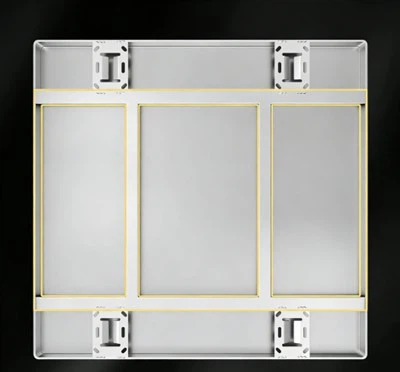
Telecommunications equipment needs to be protected from the elements and unauthorized access. Fiberglass enclosures and cabinets are commonly used for this purpose. They are made of fiberglass – reinforced composite materials, which provide excellent protection against moisture, dust, and physical damage. Fiberglass enclosures can be designed to be fire – resistant, ensuring the safety of the equipment inside.
4. Insulators
Fiberglass insulators are used in telecommunications systems to prevent electrical current from flowing where it is not intended. They are often used in high – voltage applications, such as power lines that are associated with telecommunications infrastructure. Fiberglass insulators are lightweight, easy to install, and have a long service life.
Considerations When Using Fiberglass in Telecommunications
1. Cost
While fiberglass offers many advantages, it can be more expensive than some traditional materials. The cost of fiberglass products depends on factors such as the type of fiberglass, the manufacturing process, and the complexity of the design. However, it’s important to consider the long – term cost savings associated with fiberglass, such as reduced maintenance and replacement costs.
2. Installation Requirements
Fiberglass products may require special installation techniques. For example, fiberglass poles need to be installed with proper foundation and bracing to ensure their stability. It’s important to work with experienced installers who are familiar with fiberglass materials to ensure that the installation is done correctly.
3. Compatibility with Other Materials
When using fiberglass in telecommunications applications, it’s important to consider its compatibility with other materials. For example, if fiberglass is used in combination with metal components, there may be a risk of galvanic corrosion. It’s necessary to use appropriate coatings or insulation to prevent this from happening.
Conclusion
In conclusion, fiberglass products have significant potential in telecommunications applications. Their high strength, electrical insulation, corrosion resistance, and lightweight properties make them suitable for a wide range of uses, including cables, poles, enclosures, and insulators. While there are some considerations such as cost, installation requirements, and compatibility with other materials, the long – term benefits of using fiberglass often outweigh these challenges.
FRP Tanks As a supplier of fiberglass products, I am confident in the quality and performance of our offerings. Our fiberglass products are designed to meet the strict requirements of the telecommunications industry, providing reliable and long – lasting solutions. If you are involved in the telecommunications field and are considering using fiberglass products, I encourage you to reach out to us for more information. We can provide you with detailed product specifications, pricing, and technical support. Let’s start a conversation about how our fiberglass products can enhance your telecommunications infrastructure.
References
- "Handbook of Fiberglass and Advanced Plastics Composites" by James F. Reynolds
- "Telecommunications Engineering Handbook" by Andrew Tanenbaum
- "Fiberglass Reinforced Plastics (FRP) in Construction" by Bimal Patel
Hebei Weihan Environmental Protection Equipment Co., Ltd.
We’re well-known as one of the leading fiberglass products manufacturers and suppliers in China, featured by quality products and good service. Please rest assured to buy customized fiberglass products at competitive price from our factory. Contact us for more details.
Address: No. 666 Chuangye Road, Zaoqiang County, Hengshui City, Hebei Province
E-mail: weihanmachine@gmail.com
WebSite: https://www.whanfrp.com/
