Hey there! I’m a supplier of HVLS (High Volume, Low Speed) fan motors. One frequently asked question I get from customers is how to check the insulation class of an HVLS fan motor. So, I thought I’d share some insights on this topic. HVLS Fan Motor
What’s the Big Deal with Insulation Class?
First off, let’s talk about why the insulation class of a motor matters. The insulation class indicates the maximum temperature that the motor’s insulation can handle over a long – term operation. If the motor runs at a temperature higher than what the insulation can tolerate, the insulation will degrade faster. This can lead to short circuits, motor failures, and even safety hazards.
For HVLS fan motors, which are often used in large – scale industrial or commercial settings, reliable operation is crucial. A motor with the right insulation class can ensure a longer lifespan, lower maintenance costs, and safe operation.
1. Check the Manufacturer’s Documentation
The easiest way to find out the insulation class of an HVLS fan motor is to look at the manufacturer’s documentation. When you buy a motor from us (as a supplier), we always provide detailed product manuals. These manuals usually have a section dedicated to motor specifications, where you’ll find information about the insulation class.
For example, if the manual says “Insulation Class: F,” it means the motor’s insulation is designed to handle a maximum temperature of 155°C. Other common insulation classes include B (130°C), H (180°C), and N (200°C).
But sometimes, the documentation might get lost, or you may be dealing with a second – hand motor. In such cases, you’ll have to use other methods to check the insulation class.
2. Look for Labels on the Motor
Most motors have labels attached directly to them. These labels are like a mini – manual. They contain important information about the motor, such as the model number, voltage, amperage, and insulation class.
Just take a close look at the motor housing. Look for any printed labels or plaques. They are typically made of metal or plastic and are firmly attached to the motor. Sometimes, the label can get dirty or worn out, so you might need a cleaning cloth and a magnifying glass to read it clearly.
3. Temperature Rise Testing
If you can’t find the information from the documentation or the labels, you can try temperature rise testing. This method involves measuring the temperature of the motor under normal operating conditions and then estimating the insulation class based on the temperature rise.
Here’s how you do it:
- Baseline Temperature Measurement: First, measure the ambient temperature of the area where the motor is installed. Use a reliable thermometer and make sure to take the measurement in the vicinity of the motor, away from any direct heat sources.
- Motor Temperature Measurement: Let the motor run under normal load for a few hours until it reaches a stable temperature. Then, use a non – contact infrared thermometer to measure the surface temperature of the motor. Measure at different points on the motor, especially around the winding area, as this is where the heat is generated.
- Calculate the Temperature Rise: Subtract the ambient temperature from the motor surface temperature. This gives you the temperature rise of the motor.
Once you have the temperature rise, you can make an educated guess about the insulation class. For example, if the temperature rise is around 80 – 90°C and the ambient temperature is around 25°C, the motor temperature is about 105 – 115°C. This might indicate an insulation class of B, which has a maximum temperature rating of 130°C.
However, it’s important to note that temperature rise testing is not a foolproof method. There are many factors that can affect the motor temperature, such as the ventilation in the installation area, the load on the motor, and the efficiency of the cooling system.
4. Contact the Manufacturer or Supplier
If all else fails, you can always reach out to the manufacturer or supplier. As an HVLS fan motor supplier, we’re always happy to help our customers. If you can provide us with the motor’s model number, serial number, and any other relevant information, we can look up the insulation class in our database.
We have access to detailed product specifications and engineering data. So, even if you’re not sure about some of the details, we can often still figure out the insulation class for you.
Why Choose Our HVLS Fan Motors?
Now that you know how to check the insulation class of an HVLS fan motor, you might be wondering why you should choose our motors. Well, we take pride in providing high – quality motors with the right insulation classes for different applications.
Our motors are designed to withstand the rigors of industrial and commercial use. We use only the best insulation materials, which are carefully selected to ensure long – term performance. And we test every motor thoroughly before it leaves our factory to make sure it meets all the safety and performance standards.
Whether you need a motor for a large warehouse, a manufacturing plant, or a commercial building, we have the right product for you. Our team of experts can also help you choose the motor with the appropriate insulation class based on your specific requirements.
Let’s Talk Business!
If you’re in the market for HVLS fan motors or have any questions about insulation classes or other motor specifications, I’d love to hear from you. We’re always open to having discussions about how our products can meet your needs. Whether it’s a small – scale project or a large – scale industrial application, we’re here to provide you with the best solutions.
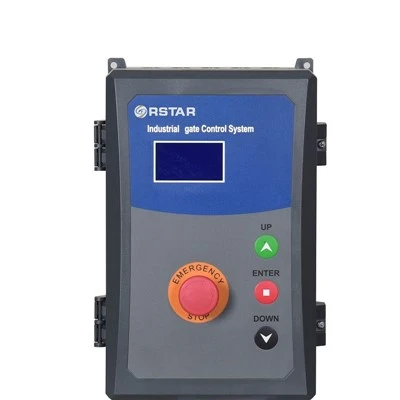
Industrial Fan Regulator Just drop us a line, and we can start a conversation about your purchase. You can talk to us about the quantity, the specific requirements, and discuss any customizations you might need. We’re confident that our HVLS fan motors will not disappoint you.
References
- Electric Machinery Fundamentals, Stephen J. Chapman
- Electrical Motor Handbook, various authors
Wuxi Rstar Electric Co., Ltd.
With abundant experience, we are one of the most professional hvls fan motor manufacturers and suppliers in China. Welcome to wholesale bulk customized hvls fan motor at competitive price from our factory. If you have any enquiry about quotation, please feel free to email us.
Address: 9th Floor, Building 9, Shengfeng Lianzhi Valley, No.67 Zhujiang Road, Xinwu District, Wuxi City
E-mail: rstarbz@163.com
WebSite: https://www.rstar-wx.com/
