If you’ve ever pulled a soft, fluffy loaf of bread from the oven, bitten into a light, airy muffin, or crunched a perfectly puffed croissant, you’ve leavening agents to thank for that texture. As a food additives supplier, I get asked all the time: what do these ingredients actually do, beyond just making baked goods rise? It’s a question that trips up a lot of folks—both home bakers who swear by “natural” vs. “artificial” leaveners and small bakery owners who’re just trying to standardize their product quality. Let’s break this down, straight from someone who’s worked with leavening agents for 12 years in the industry, no jargon or marketing fluff. Food Additives
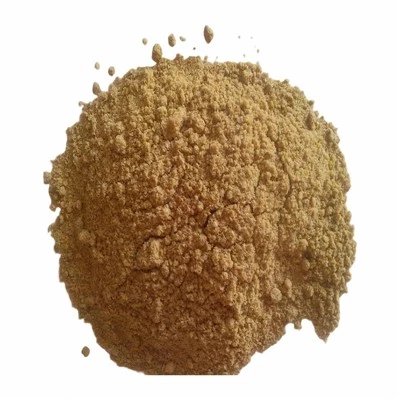
First, let’s start with the core function that gives leaveners their name: they create gas bubbles that expand, making dough or batter rise. But that’s just the tip of the iceberg. Leaveners don’t just add volume—they change texture, extend shelf life, even affect flavor profiles, and improve the consistency of everything from bread to cake mixes. Let’s go through each function one by one, and I’ll tie in how our team at the additives supplier helps businesses leverage these properly.
The most basic job: generating leavening gas, aka CO2. This works in two main ways, depending on the type of leavener you’re using. Biological leaveners (think yeast, both active dry and fresh) work by feeding on sugars in dough, producing carbon dioxide and ethanol as byproducts. That gas gets trapped in the gluten network in flour, stretching it until the dough doubles in size. Chemical leaveners (baking powder, baking soda) work differently: they react when mixed with liquid and acid. Baking soda is pure sodium bicarbonate, which needs an acid (like cream of tartar in double-acting baking powder) to trigger the CO2 release. Double-acting baking powder is the workhorse for most commercial and home bakes because it releases some gas when mixed into batter, then more when heated in the oven—ideal for cakes, muffins, and quick breads that don’t have time for a long rise.
But here’s where the industry’s nuance comes in: it’s not just about getting any gas. The rate and timing of that gas release make all the difference. A bakery that’s making 1,000 loaves of bread a day can’t have dough that rises too fast, or the loaves will collapse before baking. That’s why as a supplier, we custom-blend leavening systems for clients: we adjust the ratio of yeast and dough conditioners (another additive we offer) to slow or speed fermentation, depending on their production schedule. For example, a artisanal bread maker that wants a 12-hour cold ferment needs a low-activity yeast blend that won’t die off in the fridge, while a commercial cookie line needs a fast-acting leavener that reacts in 30 seconds to make crisp, puffed cookies without spreading too much in the oven.
Next function: improving texture and structure. It’s easy to think “fluffy” is just about volume, but leaveners shape the crumb (the soft inner part of baked goods) and crust too. When CO2 expands in the oven, it stretches the gluten matrix into tiny, uniform pockets. Without leaveners, baked goods would be dense, hard, and crumbly—think of a bread made without yeast, which is essentially a flat, heavy cracker. For chemical leaveners, the heat from baking vaporizes the small amount of water in the batter, making those gas pockets even larger, which is why cake is light and spongy rather than compact.
We’ve had clients come to us frustrated because their chocolate chip cookies were coming out tough instead of chewy or crisp. When we tested their process, it turned out they were using too little baking powder—so the gas bubbles couldn’t form properly, leading to a tight, dense crumb. Or sometimes it’s the opposite: too much leavener causes the bubbles to expand too quickly, leaving big holes in the bread or a crumb that collapses as it cools. That’s why our team doesn’t just sell products; we work with clients to test leavening ratios tailored to their specific formulas. For gluten-free baked goods, which have no gluten to trap gas, leaveners have to work extra hard. We add a blend of leaveners and hydrocolloids (like xanthan gum) to create a structure that holds the CO2, so gluten-free muffins don’t turn out crumbly and flat. That’s a big one right now, with the rise in gluten-free diets—supplying the right leavening system for these products is half the battle for bakery clients.
Third function: extending shelf life. This is something most people don’t talk about, but leavening agents play a key role in keeping baked goods fresh longer. How? When leavening creates uniform gas pockets in the crumb, it creates smaller, more consistent air spaces that slow down staling. Staling happens when starch molecules retrograde (re-crystallize) and draw moisture out of the crumb, making bread go hard and stale. A uniform crumb structure from proper leavening slows that process down. We’ve had a client who was making sourdough bread that went stale in 3 days, and by adjusting the yeast blend and adding a small amount of calcium propionate (a preservative we also supply, which works with leaveners to inhibit mold growth), we extended the shelf life to 7 days without compromising the bread’s soft texture. That’s a game-changer for grocery stores, which need products that stay fresh on shelves for a week or more.
Biological leaveners also have a secondary benefit here: the ethanol and acid produced by yeast act as natural preservatives, inhibiting bacteria and mold. That’s why homemade yeast bread lasts a bit longer than cake made with only baking powder—though of course, chemical leaveners are more consistent for commercial production where every batch has to be exactly the same.
Fourth function: enhancing flavor and color. Leaveners aren’t just physical agents—they change the taste and look of baked goods too. Yeast, for example, produces complex flavor compounds during fermentation: esters that give a fruity note, aldehydes for a nutty, bready flavor. That’s why sourdough, which uses a wild yeast starter instead of commercial yeast, has that tangy, complex taste. Even commercial yeast can be adjusted for flavor: we offer varieties that are high-activity for fast production, and milder yeast blends that don’t overpower other flavors, for things like white sandwich bread where you want a neutral taste.
Chemical leaveners also affect flavor: baking soda has a slightly salty, soapy taste if you use too much, which is why most commercial baked goods use double-acting baking powder (which has the acid mixed in, so you don’t have excess baking soda). The Maillard reaction, which gives baked goods their golden brown crust, also relies on leavening. The gas bubbles created by leaveners expand the surface area of the dough, so more of it is exposed to heat, leading to a deeper, crispier crust. For a pizza dough, which needs a thin, crispy crust that’s still soft inside, we work with pizzerias to adjust leavening levels: too much yeast makes the crust rise too much and get chewy, too little makes it hard and flat. That balance is all about understanding how leaveners interact with other ingredients.
Now, let’s address a common misconception: “natural” leaveners are always better. As a supplier, I hear this all the time from small businesses that want to market their products as “clean label.” It’s true that yeast is a natural ingredient, and some chemical leaveners (like monocalcium phosphate, an acid in baking powder) are naturally derived, but not all. For example, sodium aluminum phosphate (SALP) is a chemical leavening acid that’s been used for decades, though some consumers avoid it. We now offer clean-label leavening blends that replace SALP with naturally derived acids, like citric acid or cream of tartar, for clients that want to meet clean label standards. The key isn’t that natural is better—it’s that you have to match the leavener to your product’s needs. A gluten-free energy bar that needs to rise just a little to be chewy might use a natural leavener blend, while a cake mix that needs consistent rise for 10,000 units a day might use a cost-effective chemical leavener that delivers the same result every time.
Another point: leaveners work in concert with other food additives, not in isolation. I can’t tell you how many times a client has come to us saying their product isn’t rising, and it turns out they used a fat that’s too high in butter, which coats the gluten and prevents gas bubbles from trapping. Or they used too much sugar, which inhibits yeast activity. That’s why our team works with clients to not just provide leavening agents, but to troubleshoot the entire system. For example, if a client is making low-sugar cookies, we’ll recommend a yeast blend that’s adapted to lower sugar levels, because regular yeast can’t feed on small amounts of sugar.
Now, let’s talk about why this matters for businesses. If you’re a bakery, a snack food manufacturer, or even a pet food producer (wait, yes, leaveners are used in some pet treats too!), getting the leavening right can make or break your product. Too little leavener: flat, dense products that don’t sell. Too much: products that collapse, have off-flavors, or go stale fast. As a food additives supplier, our job is to make sure our clients have access to the right leavening agents, customized to their specific needs, not just a one-size-fits-all product.
I’ve seen too many small businesses spend months testing formulas, only to have a leavening issue derail their launch. That’s why we offer sample testing and formulation support: send us your formula, and our team of food chemists will test different leavening blends, adjust ratios, and help you get the perfect texture, rise, and shelf life. It’s not just about selling a product—it’s about helping your product succeed.

If you’re a product developer, a bakery owner, or a food manufacturer looking to improve your leavening systems, we’re here to help. We work with businesses of all sizes, from artisanal bakeries to large commercial food producers, and can customize leavening blends, provide clean label options, and troubleshoot any issues you’re having with your products. Whether you’re making bread, cakes, cookies, gluten-free baked goods, or anything in between, the right leavening agents are the foundation of a great final product. Don’t leave your leavening to chance—reach out to our team to discuss your needs and get a tailored solution for your business.
Thickening Agent References
- Camire, M. E. (2019). Food Chemistry: Principles and Applications. CRC Press.
- Pyler, E. J. (2018). Baking Science and Technology (3rd ed.). Sosland Publishing.
- White, P. J., & Rosell, C. M. (2020). Gluten-Free Breads: Science and Technology. Woodhead Publishing.
- FDA. (2022). Food Additives Permitted for Direct Addition to Food for Human Consumption. U.S. Food and Drug Administration.
- Stear, C. A. (2017). Understanding Food Additives (2nd ed.). Royal Society of Chemistry.
Qingdao Longfeng Chemical Co., Ltd.
With abundant experience, we are one of the most professional food additives manufacturers and suppliers in China. We warmly welcome you to buy bulk premium food additives at competitive price from our factory. If you have any enquiry about free sample, please feel free to email us.
Address: B612, NORD PLAZA, NO.328 DUNHUA ROAD, QINGDAO, SHANDONG, CHINA
E-mail: Tony@longfengworld.com
WebSite: https://www.longfeng-chem.com/
