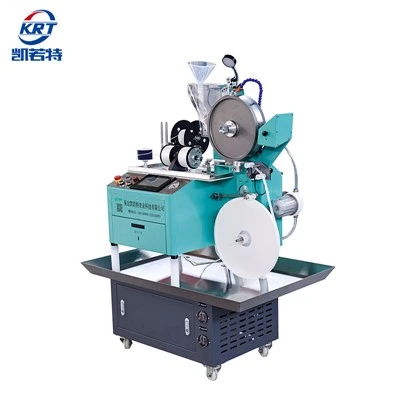
As a soil mixer supplier deeply involved in the agricultural and horticultural industries, I often encounter inquiries from customers about the versatility of our products. One of the most frequently asked questions is whether a soil mixer can be used for mixing soil and vermiculite. In this blog post, I’ll delve into this topic, exploring the feasibility, benefits, and considerations when using a soil mixer for this specific application. Soil Mixer
The Basics of Soil and Vermiculite
Before we discuss the use of a soil mixer, it’s essential to understand the properties of soil and vermiculite. Soil is a complex mixture of minerals, organic matter, water, and air. It provides a medium for plant roots to anchor, access nutrients, and exchange gases. Different types of soil, such as sandy, loamy, or clayey, have varying characteristics that affect plant growth.
Vermiculite, on the other hand, is a naturally occurring mineral that has been heated to expand into a lightweight, porous material. It has excellent water – holding capacity, aeration properties, and cation – exchange capacity. When added to soil, vermiculite can improve soil structure, retain moisture, and provide a slow – release source of essential nutrients like magnesium, potassium, and calcium.
Feasibility of Using a Soil Mixer for Soil and Vermiculite
The short answer is yes, a soil mixer can definitely be used for mixing soil and vermiculite. Soil mixers are designed to blend different materials uniformly, and the physical properties of soil and vermiculite make them suitable for this process.
Most soil mixers operate on the principle of mechanical agitation. They use rotating blades, paddles, or drums to move and blend the materials inside the mixing chamber. Since vermiculite is lightweight and porous, and soil can vary in texture but is generally malleable, the mixer can effectively break up clumps and distribute the vermiculite evenly throughout the soil.
Benefits of Using a Soil Mixer for This Purpose
- Uniform Mixing: One of the primary advantages of using a soil mixer is achieving a homogeneous blend of soil and vermiculite. In manual mixing, it can be challenging to ensure that the vermiculite is evenly dispersed, especially in large quantities. A soil mixer, with its mechanical action, can consistently produce a well – mixed substrate, which is crucial for providing uniform growing conditions for plants. This means that each plant in a container or garden bed will have access to the same amount of nutrients and moisture.
- Time – Saving: Mixing soil and vermiculite by hand can be a labor – intensive and time – consuming process, especially for commercial growers or large – scale gardening projects. A soil mixer can significantly reduce the time and effort required. For example, a small – scale soil mixer can complete the mixing process in a matter of minutes, while manual mixing could take hours.
- Consistency: When you use a soil mixer, you can replicate the same high – quality soil – vermiculite mixture repeatedly. This is important for operations that require consistent growing mediums, such as nurseries or seed – starting facilities. By maintaining a consistent mix, you can improve the predictability of plant growth and reduce variability in crop yields.
Types of Soil Mixers Suitable for Mixing Soil and Vermiculite
There are several types of soil mixers available on the market, each with its own advantages for mixing soil and vermiculite.
- Vertical Batch Mixers: These mixers have a vertical drum with a central shaft and paddles. They are suitable for smaller – scale operations. The vertical design allows for efficient use of space, and the batch – mixing process ensures that a specific amount of soil and vermiculite is mixed at one time. This is ideal for small nurseries or home gardeners who may not need to mix large volumes continuously.
- Horizontal Drum Mixers: Horizontal drum mixers are commonly used in commercial settings. They have a large, rotating drum that tumbles the soil and vermiculite together. The continuous rotation of the drum provides a thorough and uniform blend. These mixers can handle large volumes of material, making them suitable for large – scale agricultural or landscaping projects.
- Paddle Mixers: Paddle mixers consist of a series of paddles attached to a rotating shaft inside a trough. The paddles move the soil and vermiculite in a complex pattern, ensuring good mixing. They are often used in industrial applications because they can handle a variety of materials and can be customized to meet different mixing requirements.
Considerations When Using a Soil Mixer for Soil and Vermiculite
- Equipment Selection: It’s important to choose a soil mixer that is appropriate for the volume of soil and vermiculite you need to mix. If you’re a small – scale gardener, a small vertical batch mixer may be sufficient. However, if you’re a commercial grower, you’ll likely need a larger, more powerful horizontal drum mixer or paddle mixer.
- Moisture Content: The moisture content of the soil and vermiculite can affect the mixing process. If the soil is too dry, it may form clumps that are difficult to break up. On the other hand, if it’s too wet, the mixture may stick to the mixer’s blades and paddles. It’s recommended to adjust the moisture content of the soil before mixing to ensure optimal mixing performance.
- Maintenance: Regular maintenance of the soil mixer is essential to keep it in good working condition. This includes cleaning the mixer after each use to prevent the buildup of soil and vermiculite, lubricating moving parts, and checking for any signs of wear and tear. A well – maintained mixer will have a longer lifespan and will provide more consistent mixing results.
Case Studies: Real – World Applications
- Nurseries: Many nurseries use soil mixers to create custom soil – vermiculite blends for their plants. For example, a nursery that specializes in growing seedlings may use a soil mixer to combine a lightweight, nutrient – rich soil with vermiculite. This blend provides excellent aeration and moisture retention, which is ideal for young plants with delicate root systems. By using a soil mixer, the nursery can produce large quantities of consistent growing medium, ensuring the healthy growth of their seedlings.
- Commercial Greenhouses: In commercial greenhouses, where large areas of plants need to be grown, soil mixers play a crucial role in preparing the growing medium. A greenhouse that grows a variety of vegetables and flowers may use a horizontal drum mixer to mix soil and vermiculite on a daily basis. This allows them to quickly and efficiently produce a uniform substrate for their plants, which leads to better crop yields and quality.
Conclusion
In conclusion, a soil mixer can be effectively used for mixing soil and vermiculite. It offers numerous benefits, including uniform mixing, time – saving, and consistency. By understanding the types of soil mixers available, the considerations for mixing, and real – world applications, you can make an informed decision about using a soil mixer for your soil – vermiculite blending needs.
Nursery Seeding Line If you’re interested in learning more about our soil mixers or are considering purchasing a unit for your agricultural, horticultural, or landscaping project, I encourage you to reach out. Our team of experts is ready to assist you in selecting the right soil mixer for your specific requirements. We can provide detailed product information, answer any questions you may have, and guide you through the purchasing process. Don’t hesitate to contact us to start a discussion about how our soil mixers can enhance your operations.
References
- "Soil Science: An Introduction" by Nyle C. Brady and Ray R. Weil.
- "Vermiculite: Properties and Applications" published by the International Vermiculite Association.
Hebei Kai Ruote Machinery Manufacturing Company
As one of the most professional soil mixer suppliers in China, we’re featured by quality products and good price. Please rest assured to buy high-grade soil mixer for sale here from our factory. Contact us for more details.
Address: No.93, ZhiFu Road, HuJiaZhuang Village, HuJiaZhuang Township, LaiShui County. Baoding City, Hebei Province, China
E-mail: nongruide.sale01@gmail.com
WebSite: https://www.krtseeder.com/
