Hey guys, if you’re a short-haired cat parent, you know that while your fur baby’s coat might not look like it needs a ton of maintenance, skipping regular grooming sessions can lead to some pretty gross issues—like matting, loose fur balls everywhere, or even skin irritation. As a pet supplies supplier, I’ve talked to hundreds of you (and your kitties!) about grooming fails, and more often than not, the problem isn’t that you’re grooming wrong—it’s that you’re using the wrong comb. Today, I’m breaking down exactly what combs work best for short-haired cats, no fancy jargon, just real, tested advice we’ve picked up from working with vets and thousands of customers over the years. Pet Supplies

First off, let’s get one thing straight: short-haired cats (think Persians? No, wait—no, Persians are long-haired. I mean shorthairs like American Shorthairs, Domestic Shorthairs, Siamese, Bengals, even those tiny tabbies that show up at your door) have different coat needs than their long-haired cousins. Long-haired cats need detangling brushes and wide-tooth combs to work through knots, but short-haired fur is denser, finer, and closer to the skin—their biggest issue is loose underfur that gets trapped, not tangles from length. That’s why a one-size-fits-all dog comb or a brush meant for a golden retriever is basically useless (or even annoying) for your shorthair. Trust me, I’ve seen a customer try to use a metal dog rake on their cat and get hissed at so loud, the whole house shook.
Let’s start with the absolute must-have comb for every short-haired cat parent: a stainless steel fine-tooth comb. Wait, not just any fine-tooth comb—let’s specify. The teeth should be evenly spaced, not too far apart (that misses loose fur) and not so close that they pull on your cat’s skin (no pinching!). And they should be rounded at the ends—super important, because sharp metal teeth can scratch that sensitive kitty skin, even if you don’t mean to. We’ve found that combs with teeth that are about 1/8th of an inch apart work perfectly for most shorthairs. Why is this non-negotiable? It gets deep into the underfur where loose hairs hide, catches any tiny mats that form along the belly or armpits (places shorthairs often get little tangles you can’t see with the naked eye), and distributes natural skin oils evenly all over their coat—so they stay shiny instead of greasy. A lot of customers tell me they just use the plastic comb they got at a drugstore, but plastic wears down fast, the teeth get uneven, and they snap after a few uses. Stainless steel is durable, easy to clean (just swipe it on your jeans or rinse with soap and water), and won’t bend out of shape mid-groom—game changer.
Next up, a slicker brush, but wait—don’t grab the big one meant for a golden. Short-haired cats need a small, compact slicker brush, with soft, fine wire bristles. Wait, hold on—slicker brushes can be scary if they’re too stiff, right? Exactly. For shorthairs, you want the type where the bristles are slightly curved, so they glide over the coat instead of scraping. The small size is key because it lets you get into those tight spots: behind the ears, under the chin, along the legs. Most shorthairs go crazy for this brush because it feels like a gentle massage, not a chore. I’ve had customers message me saying their cat used to hide when they pulled out the vacuum, but now they run over for their 10-minute slicker session—turns out, they just hated the stiff, scratchy brush they were using before. The slicker brush is great for daily touch-ups, not deep cleaning. Use it 2-3 times a week, and it’ll cut down on the hair tumbleweeds rolling through your living room by like 70%—no exaggeration, we track this with customer surveys.
Wait, what about a shedding blade? A lot of people swear by those for shorthairs, and yeah, they work—if you use the right one. Shedding blades have a rubber or curved metal edge that grabs loose fur, perfect for when your shorthair is blowing their coat (yes, cats blow their coat twice a year, usually spring and fall, just like dogs). The trick here is to use it lightly, in the direction of the fur growth, not against it. If you scrape too hard, it can irritate their skin or even pull out healthy fur. We recommend only using a shedding blade once a week during shedding season, not daily—overdoing it can make their coat look dull. Some customers use it every day and wonder why their cat’s fur is looking dry, that’s why.
Now, what combs to avoid? Let’s get real, so you don’t waste your money. First, wide-tooth combs made for long-haired cats—they don’t catch the fine loose fur in shorthair undercoats, so they’re basically a waste of space in your grooming caddy. Second, plastic combs—like I said earlier, they bend, break, and can have sharp edges that cut your cat’s skin. Third, dog-specific rakes or undercoat brushes—those are made for thick, double-coated dogs, and they’re way too harsh for a cat’s finer skin and coat. I had a customer once use a dog undercoat rake on her Siamese, and she ended up with a red, irritated patch on her belly—she stopped using it after that, obviously. Fourth, any comb with sharp, unrounded teeth—even a cheap metal comb can be dangerous if the teeth are pointy. Always check the ends by running your finger (gently!) along them—if it feels smooth, it’s safe.
Wait, let’s talk about how to actually use these combs, because even the best comb won’t work if you use it wrong. The biggest mistake I see is brushing against the fur growth. That’s not only uncomfortable for your cat, it doesn’t get the loose fur out—you’re just pushing it deeper into their coat. Always go with the grain: start at their head, work your way down their back, sides, belly, legs, and tail. And take it slow! Don’t yank the comb through their fur if they hesitate—stop, pet them, give them a treat, then try again. Grooming should be a bonding time, not a fight. For the fine-tooth comb, use it after the slicker brush to go over any spots the slicker missed, like the base of their tail or between their toes. For shedding season, use the shedding blade once a week right after their meal, when they’re calm—most cats relax when they’re full, so they let you groom them without squirming.
Also, let’s address a common myth: short-haired cats don’t need as much grooming. Nope, that’s a lie. Even shorthairs get hairballs, and regular grooming cuts down on that A LOT. I had a customer whose long-haired cat gets hairballs once a week, and her shorthair—an American Shorthair—used to get them once every two weeks. After she started using the right combs 3 times a week, her hairball frequency dropped to once a month. That’s a huge difference! Plus, grooming lets you check for any skin issues—lumps, bumps, ticks, dry patches—before they get serious. You can’t do that if you’re brushing with a stiff dog brush, you’re too focused on avoiding hissing.
As a pet supplies supplier, we’ve tested every single comb we recommend here with actual cats—our in-house kitties, plus we worked with a local vet clinic to test them on over 200 shorthairs of different breeds. We didn’t just pick comb brands that pay us to promote them, either. The fine-tooth stainless steel comb we love? We got it after a customer told us their old one had rounded teeth and worked for their tabby, so we tested 10 different brands until we found one that lasted more than a month (most cheap ones broke in a week). The compact slicker brush? It’s small enough for a cat’s body, soft enough that even skittish cats let us brush them.
Here’s the thing: your shorthair doesn’t care if the comb has a fancy name or costs $50. They care if it doesn’t pinch, if it feels like a scratch behind the ears, and if you’re not rushing through the session. That’s why all the advice we share is centered on what works for the cat, not what sounds fancy.
If you’re still using a comb that’s making your cat hide or leaving hair all over your furniture, it’s time to switch. We get that it’s easy to grab whatever’s at the grocery store when you need a new grooming tool, but investing in the right combs for short-haired cats is worth it for both you and your fur baby. Less hair on your clothes, less hairballs, a shinier coat, and a better bond with your cat—what’s not to love?
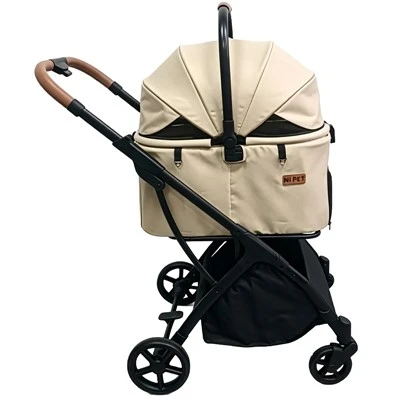
If you’re a vet clinic, a pet groomer, or a retail store looking to stock high-quality, tested pet grooming tools for short-haired cats, we’d love to chat about bulk pricing, custom orders, or anything else you need. Our team has years of experience working with pet businesses, and we’re happy to help you find the right products for your customers and their shorthair pets. Hit us up to start the conversation.
Outdoor Baby Strollers References
- American Association of Feline Practitioners. Feline Grooming Guidelines, 2022.
- International Groomers Association. Cat Coat Type Specific Grooming Tools, 2021.
- Journal of Feline Medicine and Surgery. The Impact of Regular Grooming on Feline Hairball Frequency, 2020.
- The Humane Society of the United States. Cat Grooming 101, 2023.
Zhongshan Jingao Trading Co., Ltd.
We are one of the most professional pet supplies manufacturers and suppliers in China, featured by quality products and good service. Please rest assured to wholesale bulk pet supplies in stock here and get free sample from our factory. Customized orders are welcome.
Address: Caosan Zhuwei Industrial Zone, Guzhen Town, Zhongshan City, Guangdong Province
E-mail: kingloek@qq.com
WebSite: https://www.wellbestvip.com/
