If you’re here, you probably know the headache that comes with a threaded valve turning into a rusted mess mid-job. I’m someone who’s spent the last 10 years selling threaded valves—seen it all, from water treatment plants panicking over a corroded valve leaking in a pipe to a food processing line shutting down because a rusted thread broke and contaminated a batch of product. The worst part? A lot of guys I chat with think “just use paint” and call it a day. Newsflash: threaded valves aren’t a wall—those threads are where the metal actually touches, where moisture and gunk get trapped, and where corrosion starts faster than you can say “production delay.” Over the years, I’ve tested almost every coating out there, talked to engineers, and even fixed my fair share of valve failures because the wrong coating was used. Let’s break down what actually works for threaded valves, and what you should skip. Threaded Valve
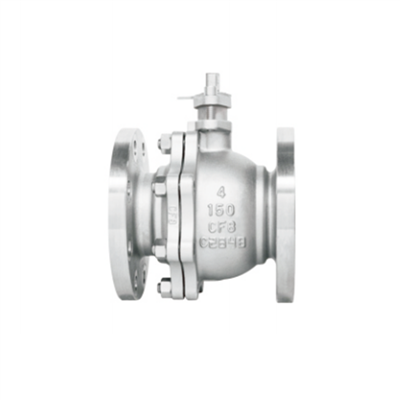
First, let’s get one thing straight: a threaded valve’s threads are a totally different beast than the smooth outer body of the valve. The crevices, the sharp turns, the way they thread into another component (like a pipe or fitting) means any coating that just sits on top? It’s going to chip, crack, or wear off almost immediately. That’s why generic paints don’t work—they’re too thick, they don’t get into the tiny gaps between threads, and they peel when you tighten the valve down. I once sold a batch of valves to a guy in a municipal water plant that used regular epoxy paint. A month later he called me, screaming, because every valve’s threads were rusted. Turned out, when he threaded them into the pipe, the paint flaked right off and got stuck in the line. Total waste of his money, and my reputation for a second. So we stopped suggesting that, and started looking at coatings that actually adhere to threads, not just coat them.
Let’s start with the most common one I recommend for 90% of our customers: zinc plating, specifically electroplated zinc. Wait, don’t roll your eyes—this isn’t your granddad’s zinc. The key here is the thickness and the post-treatment. A lot of cheap platers do a thin zinc layer that’s like a dusting, and it rusts in 6 months. But when you get a 5-15 micron zinc layer, and then add a chromate conversion coating (wait, hexavalent chromate is out now, right? Yeah, most places use trivalent now, it’s just as good without the toxicity), that layer acts as a sacrificial barrier. Here’s the thing about zinc: it’s more reactive than steel or brass, so when moisture gets in, the zinc corrodes first, protecting the underlying metal. For threaded valves, especially carbon steel ones, this is perfect because the plating gets into the threads—electroplating uses an electric current to deposit zinc evenly, so even the tiny gaps between threads get covered, not just the peaks. I’ve had customers use these valves for 5 years in outdoor applications (think irrigation systems, well pumps) and they’re still not rusted. The only downside? Don’t use zinc plating on stainless steel valves—galvanic corrosion will happen between the zinc and the stainless, and that’s even worse than no coating. That’s a mistake I see all the time.
Next up, for when zinc isn’t enough or you’re dealing with super harsh environments, like chemical processing or offshore rigs: powder coating. Wait, again, I know what you’re thinking—powder coating is thick, how does it work on threads? Here’s the trick: you use a thin film powder coating, not the thick stuff you see on patio furniture. The good powder coaters (and we only work with ones that get this right) adjust the powder particle size so it’s fine enough to get into threads, and then bake it at a lower temperature, so it doesn’t cure too thick on the peaks. The result is a smooth, durable coating that’s way more resistant to chipping than wet paint. I’ve seen powder coated threaded valves survive in places where zinc failed—like a fertilizer plant where the air is full of ammonia fumes. The only catch? You have to make sure the threads are masked properly during application, so you don’t get too much powder in the gaps. If you leave too much, the valve won’t thread properly. That’s a detail a lot of guys cut corners on, but it’s non-negotiable. Also, powder coating on stainless steel works great, no galvanic issues here—just make sure you use a powder rated for stainless, not for steel.
Another one I’ve been pushing more lately is PTFE coating, usually called Teflon (even though that’s a DuPont brand, everyone gets it). Wait, why PTFE for corrosion protection? Because it’s non-reactive to almost every chemical you can throw at it—acids, bases, solvents, you name it. It’s also self-lubricating, so when you thread the valve, it doesn’t seize up, which is a huge bonus for maintenance teams. I sold a set of PTFE coated valves to a pharmaceutical customer a while back, and they were super happy because no matter what cleaning chemicals they used, the threads stayed corrosion-free. The downside? PTFE is softer than zinc or powder coat, so if you’re tightening the valve really hard (like in high-pressure systems), it can wear off a little over time. Also, it’s more expensive, so it’s not the best fit for every application. But for food and pharma, where you can’t have any coating flaking into the product, it’s perfect.
Now, let’s talk about the ones I never recommend, no matter what. First, regular acrylic or latex paint. It’s cheap, it’s easy to apply, but it doesn’t stick to metal, and it traps moisture against the threads. I’ve had a customer call me crying because he painted his valves, and 2 weeks later, the paint was bubbled and rust was coming out. The second big one is grease or oil as a “coating.” Yeah, a lot of guys slather their threads with grease, thinking that’s enough. Newsflash: grease washes off, especially in wet environments, and it actually holds moisture against the metal. I once saw a valve where the threads were so rusted because of grease that you couldn’t turn it—worse than if they’d done nothing at all. And don’t even get me started on wax coatings. They sound good, they’re easy to apply, but they melt in warm weather, and they wear off in a month. Total waste of money.
Wait, there’s one more that’s a bit more niche but worth mentioning: ceramic coating. No, not the car ceramic coating you see on TikTok. We’re talking about thermal spray ceramic coatings, usually aluminum oxide or chromium oxide. These are ultra-durable, resistant to extreme temperatures and super harsh chemicals. But they’re expensive, and they’re really hard to apply evenly on threads. Most of the time, I only suggest these for valves in aerospace or deep sea applications, where failure isn’t an option. If you’re a small manufacturing shop, you don’t need to drop $500 on a valve that costs $100, even if it is indestructible.
Let’s circle back to something I learned the hard way: it’s not just the coating that matters. Surface preparation is 80% of the job. If you don’t clean the threads properly, remove all the rust, oil, and gunk before applying the coating, nothing will stick. I once got a batch of valves from a supplier that skimped on sandblasting the threads, and the zinc plating flaked off in 2 months. We had to replace all of them, and that was a lesson learned. So even if you use the best coating in the world, if the threads aren’t prepped right, it’s useless.
A lot of customers ask me, “Which coating is the best for my valves?” And the answer is always, it depends on your application. If you’re using valves in outdoor irrigation, potable water, HVAC systems—go with electroplated zinc plus trivalent chromate. It’s cheap, it works, and it’s easy to source. If you’re in chemical processing, oil and gas, or offshore rigs—thin film powder coating or PTFE if you need chemical resistance. If you’re in food or pharma, PTFE is non-negotiable, no exceptions. And if you’re dealing with stainless steel valves, skip the zinc, go for powder or PTFE.
I’ve seen too many companies cut corners on valve coatings, only to end up with downtime, lost product, and extra costs. At the end of the day, a threaded valve’s threads are the most important part—they’re how the valve connects, how it seals, and if they fail, the whole system fails. So don’t waste time on gimmicks. Stick to the coatings that have been proven to work, and make sure the surface prep is done right.
If you’re tired of dealing with corroded valves leaking or seizing up, and you want to make sure your next batch of threaded valves has the right coating for your specific needs, hit us up. We’ve been in the threaded valve game for years, we work with platers and coaters that know exactly how to handle threads, not just smooth valve bodies, and we can help you pick the right coating that fits your budget and your application. No pushy sales, no vague advice, just straight talk from someone who’s fixed more valve problems than I can count.
Y-type Filter References:
- Corrosion Control for Threaded Components, NACE International, 2021
- Selection Guide for Protective Coatings for Valves, American Water Works Association, 2022
- Galvanic Corrosion in Fasteners and Threaded Joints, ASM International, 2020
- Coating Performance in Chemical Processing Environments, Center for Chemical Process Safety, 2019
Xiongxiang Valve Group Co., Ltd.
As one of the most professional threaded valve manufacturers and suppliers in China, we’re featured by quality products and good price. Please rest assured to wholesale cheap threaded valve for sale here from our factory. Contact us for more details.
Address: Building 1, No.306, 12th Binhai Road, Jinkai District, Wenzhou City, Zhejiang Province, China
E-mail: info@xiongxiangvalve.com.cn
WebSite: https://www.steelvalvegroup.com/
