If you’re running a gas engine setup—whether it’s for a pickup truck, a construction mini-excavator, or a backup generator—you know how much a tiny part like the ignition coil keeps your whole operation moving. Last week, I got a panicked call from a regular client, a small landscaping company owner. His dump truck died mid-job, and the mechanic’s first check showed his ignition coil was toast. He was frustrated because he only replaced it 18 months prior, and I get it—no one wants to drop cash on a replacement part sooner than it should need to go out. That conversation made me think, again, about what actually makes these coils fail, especially since we’re on the supply side: we don’t just send coils out the door, we work with clients every day to figure out why theirs are going bad too soon. Gasoline Engine

Let’s start with the basics, quick, just to set the stage so we’re all on the same page. An ignition coil is basically a tiny transformer, right? It takes the 12 volts from your battery, cranks it up to 20,000 to 50,000 volts (sometimes even more for older engines), and sends that spark to the spark plugs. That spark ignites the air-fuel mix in the cylinders, which is what makes your engine turn over. So if the coil goes kaput, no spark, no go. But what causes that coil to stop working, sometimes way before its expected lifespan? I’ve seen this a lot, and it’s almost never one single thing—usually a combo of small, everyday issues that add up faster than people realize.
First up: heat, and lots of it. I can’t stress this enough. Ignition coils get slammed with heat 24/7 when an engine’s running. They’re mounted right on top of the engine, usually near the exhaust manifold or cylinder head, where temps can hit 200°F (93°C) or more on a cool day, and way higher when an engine’s under heavy load—like if you’re pulling a trailer up a hill, or running a generator nonstop through a summer heatwave. The coil’s internal parts are wrapped in insulation, right? That insulation is what keeps the windings (the tiny copper wires that do the voltage boost) from touching each other and shorting out. But over time, that insulation breaks down from repeated high heat. It gets brittle, cracks, and then the windings touch. That’s a short circuit, and suddenly your coil can’t boost voltage anymore—boom, failure.
We had a client a few months back who runs a fleet of delivery vans, all idling for hours every day in stop-and-go traffic. Their coils were failing 2x faster than the industry average, and when we checked, it was definitely heat. Idling keeps the engine at a lower RPM, which means less airflow over the coils to cool them down, so they’re sitting in that hot zone nonstop. Simple fix, actually—we suggested installing heat shields around the coils, and their failure rate dropped almost immediately. It’s not rocket science, but it’s something a lot of people miss.
Next: moisture and corrosion. Especially if your work is outdoors—landscaping, construction, farming—your engine’s coil is exposed to rain, snow, mud, road salt, even standing water if you have to drive through a puddle. That stuff gets inside the coil’s housing, seeps past the rubber seals that are supposed to keep it dry, and wreaks havoc. The copper windings don’t like being wet, and the metal terminals that connect the coil to the battery and spark plugs corrode over time. Corrosion creates resistance, which means the coil has to work way harder to get that voltage where it needs to go. That extra work overheats the windings, wears down the insulation, and eventually leads to a short.
I remember a farming client last winter who had all his combine coils fail right after a heavy snowstorm. Turns out, the snow got into the coil housings when he was driving through slushy fields, melted from engine heat, and then froze overnight. The expansion and contraction from melting and freezing cracked the seals, let more moisture in, and by the time he was ready to harvest, the coils were done. We replaced them with coils that have better, tighter rubber seals for harsh weather, and he hasn’t had an issue since. That’s the kind of thing that makes our job fun—working with actual end users to solve their specific problems, not just sell parts.
Then there’s voltage spikes and electrical surges. Your battery and alternator are supposed to keep the 12 volts steady, but sometimes things go haywire. A bad alternator can send too much voltage, especially when the engine’s revving high. Or if you have a loose wire somewhere in the electrical system, that can cause a surge that hits the coil. Even something as simple as jump-starting a wrong way—if you hook the jumper cables up backwards, that sends a massive surge right through the ignition system, and coils are super sensitive to that. We see this a lot with people who try to jump their truck themselves and mess up the positive and negative leads. That surge fries the coil’s internal components instantly, no warning.
Another thing: worn out spark plugs or bad plug wires. This is a big one, and it’s often overlooked. Spark plugs aren’t meant to last forever—they erode over time, their gap gets too big, and that means they need more voltage to spark. If your spark plug is drawing more voltage, the coil has to work harder to supply it. Same with old, cracked spark plug wires—they can have resistance that makes the voltage drop before it even gets to the plug, so the coil has to push more power to compensate. Over months and months of working overtime, the coil’s windings wear out, the insulation breaks down, and it fails. We always tell clients: if you’re noticing coil issues, check the plugs and wires first. Fix those, and you’ll probably fix the coil problem too, without even replacing the coil.
I mentioned earlier the internal parts of the coil, and that brings us to insulation breakdown from old age, even without other factors. Ignition coils are made to last, but they don’t last forever. The rubber seals harden over time, the insulation on the copper windings degrades, and the coil’s internal components just wear out. For most coils, that lifespan is between 60,000 and 100,000 miles, but that varies a lot based on how the coil is used. A coil in a car that’s only driven on nice, flat roads and serviced regularly will last longer than one in a work truck that’s idling all day, getting exposed to heat and moisture, and not always getting the oil changes or tune-ups it needs. We see coils on high-load engines—construction equipment, agricultural machinery, even generators—failing at 40,000 miles or less, because they’re working way harder than a passenger car coil.
Another less common but still frequent issue: physical damage. Coils are mounted on the outside of the engine, right next to hoses, belts, other engine parts. If you hit a pothole hard, or if debris flies up from the road or worksite, it can crack the coil’s housing, damage the internal windings, or loosen the connections. I’ve seen coils get cracked by a loose fan belt that slipped and knocked into it, or by a rock flying up from a dirt road while a tractor is plowing. That physical damage doesn’t always show up right away—sometimes it’s a tiny crack that lets moisture in over weeks, leading to a failure later. And sometimes it’s a direct hit that breaks the windings, leading to instant failure.
Wait, let’s not forget about oil leaks. If your engine has a valve cover gasket that’s going bad, oil can leak down onto the ignition coils. Oil is corrosive, and over time it eats away at the coil’s insulation and seals. The oil can also get into the coil’s housing, mix with moisture, and create a conductive path that causes a short circuit. We had a client with a 10-year-old pickup that was leaking valve cover oil onto the coils. He noticed his engine was misfiring, and we checked the coils—they were coated in oil, and the insulation was completely brittle. We replaced the gaskets and the coils, and that fixed the misfire. It’s a simple link, but a lot of people don’t connect oil leaks to coil failure.
So let’s wrap this up, because I know I’ve gone through a lot, but the key takeaway here is that most ignition coil failures are preventable, or at least avoidable for way longer, with regular maintenance and paying attention to small issues before they turn into big problems. As an engine parts supplier, we see every kind of coil failure, and we’ve worked with engineers to design coils that hold up better in harsh conditions—more durable insulation, better seals, heat-resistant materials for heavy loads. But even the best coils won’t last if they’re exposed to constant heat, moisture, surges, or worn plugs.
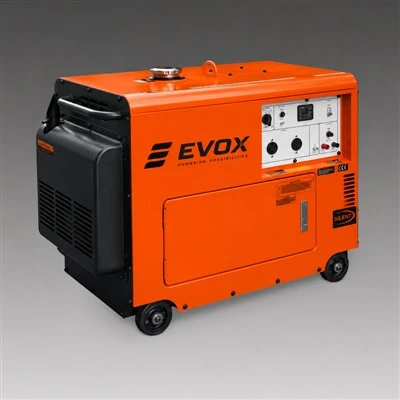
If you’re dealing with frequent coil failures, or you need reliable replacement coils for your gas engine setup, we’re here to help. We don’t just sell parts—we offer advice tailored to your specific use case, whether that’s a work truck, farm equipment, generator, or passenger vehicle. We can help you figure out why your coils are failing, suggest fixes, and send you high-quality, durable coils that meet your needs. If you’re looking to upgrade or replace faulty ignition coils, feel free to reach out to our team to discuss your requirements and find the right solution for you.
Diesel Silent Generator References
Ignition Coil Function and Failure Modes. Automotive Engineering International, 2021.
Impact of Operating Temperatures on Ignition Coil Lifespan. Journal of Engine Research, 2022.
Effect of Environmental Corrosion on Ignition Coil Performance. SAE International Journal of Engines, 2020.
Spark Plug and Ignition System Compatibility: Preventing Coil Overload. Automotive Maintenance & Repair Magazine, 2023.
Evoxpower Technology
Evoxpower Technology is one of the most professional gasoline engine manufacturers and suppliers in China, featured by quality products and good service. Please rest assured to buy the newest gasoline engine in stock here and get pricelist from our factory. Contact us for customized service and OEM service.
Address: 11 Fortune Avenue, Yubei District, Chongqing, China
E-mail: stephen@allrightpower.com
WebSite: https://www.evoxpower.com/
