If you’ve ever packed a gym bag, fumbled around for a wipe mid-workout because the sanitizer station was empty, or stared at a half-used pack of lemon-scented household wipes in your trunk, you’ve probably asked yourself this exact question. As someone who’s spent the last eight years sourcing, testing, and selling household wipes for a living—you know, the ones under your sink or in your bathroom cabinet—I’ve heard this line so many times from gym regulars, personal trainers, and even my own cleaning crew when they’ve shown up to my home gym after a long week. It’s not a trivial question, either. Gym equipment is a playground for bacteria, mold, and even antibiotic-resistant germs, and skimping on cleaning can lead to anything from a nasty staph infection to a persistent case of ringworm. But before you yank that pack of wipes off the kitchen counter and haul it to the squat rack, let’s break this down like I do when I’m testing a new wipe formulation: what’s in these wipes, what’s on gym equipment, and when is it safe to reach for that household wipe, and when you really should grab the gym-specific kind. Household Wipes

First, let’s get one thing straight: not all wipes are created equal. When most people say “household wipes,” they’re referring to the multi-surface, all-purpose kind you use to wipe up a pasta sauce spill or smudge off a countertop. Back in the early days of wipe products, that’s pretty much all there was—and for a while, gyms used them exclusively, with mixed results. Let’s talk about the active ingredients, because that’s the biggest difference maker. A standard household multi-surface wipe usually has a mild surfactant (the stuff that cuts through grease) and a low-concentration disinfectant, often quaternary ammonium compounds (quats), or sometimes alcohol, though not always. The key here is the concentration. For a household spill on your kitchen counter, 0.1% of a disinfectant is usually enough to knock out E. coli or Salmonella, the common germ threats at home. But gym equipment is different.
Gym mats, weight benches, cardio machines, and even yoga blocks are porous enough that sweat and bacteria can seep into the cracks and crevices that a quick wipe might not reach. The CDC and the International Health, Racquet & Sportsclub Association (IHRSA) both recommend that surfaces used by multiple people—think dumbbell handles, treadmill handrails, resistance bands—need to be sanitized with a product that has a disinfectant registered with the Environmental Protection Agency (EPA). That means the product has been tested and proven to kill specific pathogens: Staphylococcus aureus (staph), methicillin-resistant Staphylococcus aureus (MRSA), and even influenza A. Now, here’s where the household wipe vs. gym wipe conversation gets interesting: many household wipes do have that EPA registration, but not all of them. I’ve tested dozens of wipe lines over the years, and I can’t tell you how many times I’ve seen a “household disinfecting wipe” on store shelves that’s only registered to kill 99.99% of common bacteria, but not the hardier strains that thrive on gym gear. For example, some generic bathroom wipes are formulated to kill mold and mildew on tile, but they won’t touch MRSA, which is one of the most common germs picked up at gyms.
Then there’s the other side of the coin: the risk of using the wrong wipe even when it does kill germs. Let’s talk about porous surfaces first. Rubber weight grips, foam yoga mats, even the plastic on cardio machines—many household wipes have harsh chemical additives, like high levels of surfactants, fragrances, or even bleach, that can break down these materials over time. I learned this lesson the hard way a few years back, when a regular at my local box gym (I’m not a trainer, just a member who works in the industry) asked if he could use my store’s all-purpose kitchen wipes to clean his foam roller. He came back a week later saying the foam felt sticky and cracked, and when I tested the wipe on a scrap piece of closed-cell foam we use in our product testing, I saw the formula eat away at the protective coating in just 24 hours. Gym-specific wipes are formulated to be gentler on these porous, flexible materials, with pH levels balanced to not break down rubber or foam. Household wipes, on the other hand, are often made for hard, non-porous surfaces like laminate countertops or glass, so they’re designed to clean those, but not meant for prolonged contact with the soft, sweaty stuff we work out on.
Fragrances are another big one, and something I’ve spent a lot of time refining in our own wipe formulas. Most household wipes have that strong citrus or pine scent that people associate with a “clean” surface. But when you’re wiping down a bench you’ve been sweating on for 45 minutes, that fragrance doesn’t just smell strong—it can cause skin irritation for people with sensitive skin or allergies. I’ve heard from dozens of gym goers who say they break out in a rash on their forearms after using scented gym wipes, and even more who complain that the fumes make their eyes burn mid-workout. Many household wipes have even stronger fragrances, because they’re marketed to make your entire kitchen smell fresh, not just a surface. Our company makes fragrance-free and hypoallergenic household wipes specifically for people who use them around kids or pets, and we’ve had so many customers tell us they started using them at the gym too, because they don’t leave that harsh smell behind that makes some people uncomfortable.
But here’s the thing: I’m not here to say you should never use a household wipe at the gym. There are definitely times when it’s totally safe, and even the better choice. Let’s break down the do’s and don’ts, based on the testing our team does every day. First, the do’s: if you’re at home, and you’re cleaning your personal gym equipment—like a set of dumbbells you only use, a yoga mat that’s yours, or the weight bench you keep in your garage—any EPA-registered household disinfecting wipe is fine. For personal, non-public equipment, you don’t need the same level of germ protection as a shared gym, because you’re the only one using it. Also, if you’re in a pinch at the gym, and you can’t find a gym wipe or sanitizer station, a household wipe that’s alcohol-based (at least 70% alcohol, which is what most hand sanitizers use) will kill most common germs on hard, non-porous surfaces like metal dumbbells or plastic cardio machine handles. I always keep a small pack of our travel-sized fragrance-free household wipes in my gym bag for exactly this purpose—sometimes I get stuck after a long workout and the gym’s dispensers are empty, and they work just fine for a quick clean of the stuff I’m using.
Now the big don’ts, which I’ve seen people make all the time, and they’re worth repeating. Never use a household wipe with bleach or a high concentration of harsh chemicals on porous gym equipment—like foam rollers, yoga mats, or rubber exercise bands. As I mentioned earlier, those chemicals break down the material over time, making it less effective and even unsafe to use. I’ve had a few inquiries from gym owners who thought they could switch to cheaper household wipes to cut costs, and every single one of them came back to us a month later saying their equipment was starting to show signs of wear, and they had to replace half their mats. Also, never use a generic “surface wipe” that doesn’t have an EPA registration to kill the specific germs found in gyms. A lot of people grab a pack of wipes from the grocery store that says “multi-surface” on the label, but when you look at the fine print, it only kills E. coli and salmonella—not MRSA or staph, which are the real gym threats. That’s like bringing a water bottle that says “refreshing” but doesn’t have enough electrolytes for a long run—it sounds good, but it’s not doing the job.
Another point I want to bring up, because it’s something no one talks about enough: residue. Household wipes leave a faint residue on surfaces, right? That’s how you know you wiped something clean. But on gym equipment, that residue can be a problem. If you leave a layer of household wipe solution on a weight bench, for example, it can mix with sweat the next time someone uses it, and create a slippery surface that’s dangerous for lifting. Gym-specific wipes are formulated to leave little to no residue, so you don’t have to worry about that. Our team actually does a residue test every time we launch a new wipe—we wipe down a stainless steel test panel, let it dry, and then use a surface tester to measure how much leftover solution is there. We aim for less than 5% residue, which is well below the industry standard for both household and gym use. A lot of generic household wipes leave 20% or more residue, which is way too high for a sweaty, high-contact surface like a gym bench.
I also want to talk about real user experiences, because I don’t just work with data and formulas— I talk to people every day who are dealing with this exact problem. Last month, a personal trainer from Chicago reached out to our customer service team, saying he’d been using gym wipes for years but they were adding up to hundreds of dollars a month for his small training studio. He tried switching to bulk household disinfecting wipes, and thought he’d saved money—until three of his clients came down with staph infections over the course of two months. Turns out, the generic wipes he bought only killed 99.9% of bacteria, not the specific strain of staph that was going around his studio. Once he switched back to EPA-registered wipes, he didn’t have any more issues. Another customer, a mom who goes to the gym while her kid is in daycare, told us she uses our travel wipes at the gym because they’re gentle enough for her 5-year-old’s hands when she brings the kid to the playroom, and they work just as well as the gym wipes. She said she tried the scented ones once, but the smell made her kid cough, so she stuck with our fragrance-free line, which is perfect for both home and gym use.
So, to circle back to the original question: can you use household wipes to clean your gym equipment? The short answer is: sometimes, but with a lot of caveats. If it’s personal gym equipment, it’s EPA-registered, it’s fragrance-free, it’s gentle on porous materials, and you only use it on hard, non-porous surfaces, then yes, absolutely. If it’s shared gym equipment, it has to meet specific EPA pathogen criteria, you have to make sure it’s not going to damage foam or rubber, and you have to avoid any harsh chemicals that leave residue. If you’re ever in doubt, just check the label. If it says it’s only for cleaning, not disinfecting, don’t use it at the gym. If it has a strong fragrance and you have sensitive skin, skip it. If it’s the kind you use to wipe up a coffee spill at home, not meant for prolonged contact with flexible materials, leave it in your kitchen cabinet.
As someone who’s built a business around making household wipes that work for real people’s real lives—whether that’s a messy kitchen counter, a sick kid’s high chair, or a workout bench after a heavy leg day—I know it’s frustrating to have to buy two different products for the same task. That’s why our company has spent years refining formulas that are versatile enough to use in multiple settings, without sacrificing safety or effectiveness. We don’t make “gym-specific” wipes and “household” wipes that are totally different products—we make wipes that work for both, because most people’s lives blend their home and fitness routines anyway.
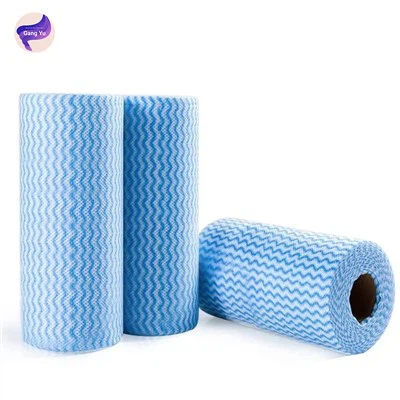
If you’re someone who’s tired of overpaying for single-use gym products that don’t live up to their promises, or if you’re a gym owner looking to cut costs without sacrificing hygiene or equipment safety, I’d love to talk to you. Our team can help you find the right wipe formula for your needs, whether that’s bulk packs for a studio or travel-sized packs for personal use. No fine print, no hidden fees—just a product that’s tested, safe, and works as hard as you do at the gym and at home.
References
Personal Care Wipes Centers for Disease Control and Prevention (CDC). (2023). Gym and Fitness Facility Hygiene and Safety.
International Health, Racquet & Sportsclub Association (IHRSA). (2022). Best Practices for Gym Equipment Cleaning and Sanitization.
Environmental Protection Agency (EPA). (2024). List Q: Disinfectants for Use Against Emerging Pathogens.
Hangzhou Gang Yu Health Products Co., Ltd.
Hangzhou Gang Yu Health Products Co., Ltd. is well-known as one of the leading household wipes manufacturers or suppliers in China, also supports customized service. Please feel free to wholesale cheap household wipes made in China here and get quotation from our factory. Quality products and low price are available.
Address: No.1 Yumin Road, Dangwan Town,311221, Xiaoshan District, Hangzhou City, Zhejiang Province, China (Mainland)
E-mail: sales@gynonwovens.com
WebSite: https://www.gynonwovens.com/
