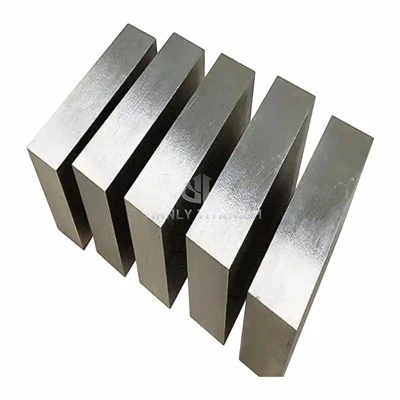
If you’re here scrolling because you recently got a batch of titanium sheets in and one of them got dinged, scratched, or warped before you could even use it—yeah, I’ve been there. As a titanium sheet supplier, I’ve seen way too many people waste time, money, and material because they didn’t know how to handle these sheets right. Titanium is tough, lightweight, corrosion-resistant, and way more valuable than your average steel or aluminum sheet, so a tiny mistake when moving, storing, or cutting can turn a usable part into scrap. Today, I’m breaking down all the little, practical steps we teach our own clients to keep their titanium sheets damage-free—no fancy jargon, just stuff that actually works. Titanium Sheet

First off, let’s start with the moment those sheets leave our warehouse. A lot of new buyers just grab a sheet by a corner, heft it onto a pallet, and call it a day. That’s where the first problem hits. Titanium sheets are rigid, but they’re not unbreakable—they’re thin enough to bend if you apply uneven force. When you pick one up by just two corners, the middle sags, especially with sheets thicker than 0.5mm. That sag causes tiny stress cracks along the edges, or even permanent bends that make it impossible to fit into your press or laser cutter later. I always tell our customers to use two people for any sheet over 1m x 1m (and even smaller ones, honestly). Each person grabs a side edge near the middle—not the corner, not the top. If you’re moving a single sheet alone, use a sheet lifter tool (the long, flat kind with rubber grips) instead of grabbing it by hand. Rubber grips are key here, too—no bare metal tools. Steel clamps or metal hooks will scratch the titanium surface, and those scratches don’t just look bad. Titanium’s corrosion resistance relies on a thin, protective oxide layer on the surface, and deep scratches can break that layer open, leading to rust or discoloration down the line, especially if you’re using the sheets in marine or chemical environments.
Next, storage. This is another area where people mess up, and damage can happen even when the sheets are sitting still. A lot of folks just stack titanium sheets directly on top of steel sheets, right next to them, or on a concrete floor. That’s a no-go. First, concrete floors have tiny, loose grit and dust particles. If you set a sheet down flat, those grit bits get pressed between the titanium and the floor, and when you slide the sheet to move it, the grit acts like sandpaper—creating deep, hard-to-remove scratches. Second, steel and titanium are different metals, and when they touch each other in the presence of moisture, they cause galvanic corrosion. Yeah, even a little humidity in your workshop can trigger that, and before you know it, the side of your titanium sheet has those dull, pitted spots that make it unusable for high-precision work.
So what’s the right way to store them? First, invest in a proper storage rack—something made of wood or plastic, not steel. If you can’t swing a rack right now, put a thick layer of cardboard or rubber mats on your floor, then set the sheets on top of that. Never stack titanium sheets directly on top of each other either, unless you separate every single one with a layer of acid-free paper or polyethylene film. Avoid newsprint or regular paper—those have ink and acid that can stain titanium over time. When you stack them, make sure each sheet is perfectly aligned, no overhanging edges. If edges stick out, they can get dinged when you reach for another sheet. Also, don’t stack heavy items on top of titanium sheets—even a 50lb box of tools can cause permanent warping if it sits on a stack of thin sheets for days. We once had a client who stacked a bunch of sheets on top of a metal cabinet, and half of them were bent so bad they had to be cut down to smaller sizes, wasting about $1,200 worth of material. That’s a mistake no one wants to make.
Then, when you’re ready to process the sheets—cutting, drilling, forming—how you handle them there matters too. A lot of people use the same tools for titanium that they use for aluminum or steel, but that’s a bad call. For starters, when you’re cutting, use sharp, titanium-specific blades or drill bits. Dull blades will tug at the titanium sheet, causing it to shift mid-cut, which leads to uneven cuts and edge burrs that can cause scratches when you move the sheet afterward. Also, when you’re clamping the sheet down for cutting or drilling, don’t clamp directly on the surface with metal clamps. Use padded clamps or wrap the clamp jaws in rubber or vinyl to protect the surface. If you have to clamp near the edge, leave at least 2cm of space between the clamp and the sheet’s edge to avoid cracking the edge, which is a common issue during drilling or punching.
I’ve seen another big mistake with forming titanium: bending it without supporting the backside. When you’re bending a sheet into a shape, the area where the bend happens is under a lot of stress. If you just clamp it on the front, the backside of the bend can stretch and create tiny cracks, or the sheet can warp. For thin sheets (under 1mm), use a forming block that matches the curve you want, and support the entire back of the bend with a soft, non-mar material like Teflon or rubber. That spreads the stress evenly and keeps the sheet from getting damaged. For thicker sheets, you might even need to use a lubricant specific to titanium—like molybdenum disulfide or a synthetic lubricant—to reduce friction between the tool and the sheet, which prevents scratches and heat-related warping (titanium expands a lot when heated, so too much friction can make the sheet buckle).
Wait, what about cleaning? Once you’ve processed the sheets, cleaning them wrong can cause damage too. A lot of people use harsh chemicals, steel wool, or abrasive scrubbers to get rid of dirt, oil, or leftover cutting residue. Don’t do that. Titanium’s surface is delicate, and abrasive scrubbers will leave tiny scratches that, as I mentioned earlier, break the protective oxide layer. Instead, use a mild detergent (like dish soap) and warm water, and wipe the sheet with a soft microfiber cloth. For tougher stains, like cutting oil, use a non-abrasive degreaser that’s made for metal—nothing with bleach or ammonia, those can discolor titanium. Also, dry the sheet immediately after cleaning, especially if your workshop is humid, to prevent water spots or that galvanic corrosion I talked about earlier.
I get it—if you’re new to working with titanium, it’s easy to think “it’s titanium, it’s unbreakable!” but that’s the opposite of true. It’s strong, but it’s also prone to surface damage and warping if you don’t take the small steps to protect it. Over the years, we’ve learned that most of the damage we see on our sheets isn’t from big, obvious accidents—it’s from those tiny, repeated mistakes: grabbing a sheet by the corner, stacking it on steel, using a dull blade, cleaning it with a scrub brush. Those add up, and before you know it, you’re throwing away a sheet that would’ve worked perfectly if you’d just done one small thing differently.
If you’re ordering titanium sheets from us, we already package them with those polyethylene separators and protective film, so you don’t have to worry about damage during shipping. But once they’re at your shop, those steps are on you. If you’ve had issues with damaged sheets in the past, or you’re not sure how to set up your storage or workspace to keep titanium safe, hit us up. We’re not just a supplier—we work with builders, machinists, and fabricators every day, so we can help you figure out what works for your project, whether you’re working with thin sheets for electronics or thick ones for aerospace parts. Don’t let avoidable waste eat into your budget—let’s chat about your needs and make sure you get the most out of your titanium sheets.
When I started supplying titanium sheets, I thought the only thing our clients cared about was price and quality. But the number one question we get now is “how do I keep these from getting damaged?” It’s become just as important as the sheets themselves, because a great sheet that’s ruined before use is just a waste. Those little steps add up: proper lifting, safe storage, careful processing, gentle cleaning. None of them are hard, and none of them take extra time—they just prevent you from having to order a replacement sheet mid-project, which would cost you way more than the 30 seconds it takes to lift a sheet with two people.
At the end of the day, titanium is an investment. It’s more expensive than other metals, so protecting that investment makes total sense. Whether you’re making bike frames, medical devices, or industrial parts, a scratch-free, properly formed sheet will perform way better than a damaged one. We’ve had clients who started cutting corners on handling and ended up with 10 scrap sheets in a month—now they follow all these steps and rarely have damage. That’s the goal, right? To make sure your titanium sheets work for you, not against you.
If you’re ready to place an order, or you have questions about handling for a specific project, just reach out. We’re here to help, not just ship product. Let’s make sure your titanium sheets stay in top shape, from our warehouse to your workshop.
Titanium Pipe Fitting References:
- American Titanium Works. (2021). Handling and Storage Guidelines for Titanium Alloys.
- Machining Data Handbook. (2022). Titanium Sheet Processing and Damage Prevention.
- Journal of Materials Processing Technology. (2020). Surface Damage Mechanisms in Titanium Sheets During Handling.
- ASTM International. (2019). Standard Practice for Storage of Titanium and Its Alloys.
- Titanium Industry Association. (2021). Best Practices for Lifting and Moving Titanium Sheets.
Baoji Yinnly Titanium Co., Ltd.
Baoji Yinnly Titanium Co., Ltd. is one of the most professional titanium sheet manufacturers and suppliers in China, featured by quality products and good service. Please rest assured to buy bulk titanium sheet in stock here and get quotation from our factory. Customized orders are welcome.
Address: Unit 902, Building 1, Creative Building, No. 195, Gaoxin Avenue, High-tech Zone, Baoji City, Shaanxi Province
E-mail: anna@yinnlyti.com
WebSite: https://www.yinnlyti.com/
