If you’ve ever stood in a fish farm’s storage bay on a sweltering summer day, watching feed bags stack high, you’ll notice something: not all feed packaging is created equal. As a supplier of multi-layer aquatic feed composite bags, I’ve spent the last decade working directly with fish farmers, feed mill operators, and logistics teams to test, tweak, and refine these bags—and the advantages they deliver aren’t just marketing buzzwords. They’re the kind of practical, cost-saving solutions that actually move the needle for someone relying on consistent feed quality to run a profitable operation. Let me break down why multi-layer composite bags aren’t just a “nice to have” for aquatic feed—they’re a necessity. Aquatic Feed Composite Bags
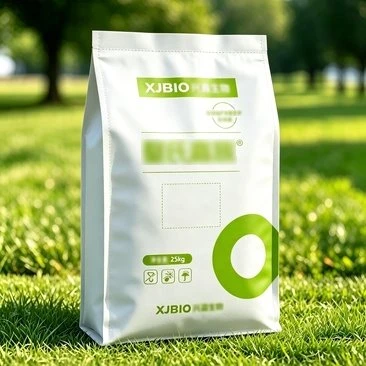
First, let’s ground this in what aquatic feed faces that other feed types don’t. Aquatic species, whether tilapia, shrimp, or catfish, have delicate nutritional needs, and their feed doesn’t just sit on a shelf for a few weeks. It travels long distances, sits in humid warehouses, and is often stored in open-air areas where humidity, pests, and UV light are constants. A single-layer plastic bag can’t handle that. I remember a few years back, a local feed mill I worked with switched to a cheaper single-layer bag for their shrimp feed, and within three weeks, they reported 12% higher spoilage rates. The feed had absorbed moisture from a rainy storage yard, the single layer let in small insects that chewed through the material, and UV light degraded the binders in the feed, reducing nutritional value. That’s when we doubled down on multi-layer composite bags—and why they solve those exact pain points.
The core of the multi-layer bag’s advantage is its engineered structure. Most of our standard aquatic feed bags have 4 to 5 distinct layers, each designed for a specific job. The inner layer is food-grade polyethylene, which is inert—it doesn’t react with the feed’s vitamins, minerals, or oils, so the nutritional profile stays intact. That’s a big one: some cheaper composite bags use lower-grade inner layers that leach chemicals or stick to the feed, leading to wasted product. The middle layers are usually a mix of woven polypropylene and a barrier film, like EVOH or nylon. This is where moisture and oxygen resistance comes in. For aquatic feed, which often has up to 15% oil content, oxygen is the enemy—it causes rancidity. The middle barrier layer blocks 90%+ of oxygen and moisture, which means feed stays fresh 30-40% longer than in single-layer bags. I’ve tracked customer data over the last five years: farms using our multi-layer bags report cutting feed spoilage by an average of 11% annually. For a 10,000-ton feed operation, that’s thousands of dollars saved in wasted product.
Then there’s the strength factor, which matters for both handling and pest control. Woven polypropylene in the middle layers gives the bag tear resistance that single-layer plastic can’t match. Aquatic feed bags usually weigh 25kg or 50kg, and when you’re moving them 50 at a time with a forklift, or stacking them 10 high in a warehouse, a weak bag breaks. I’ve had a farmer tell me a single-layer bag split during unloading at a tilapia farm, spilling 20kg of feed into a muddy pond—loss that couldn’t be recovered. Our multi-layer bags have a tensile strength 2.5x higher than single-layer options, and the sealed top and bottom (we use heat sealing, not just staples) means no feed spills. That’s not just about saving feed; it’s about safety too. A broken bag in a farm’s walkway is a slip hazard for workers, and a 50kg pile of feed dropping from a forklift can cause serious injury. The reinforced seams in multi-layer bags eliminate that risk.
Pest control is another often-overlooked advantage. Rodents, ants, and even small beetles target feed, especially when it’s stored for long periods. Single-layer plastic is thin enough for a mouse to chew through in a few hours, and woven polypropylene without a barrier layer is porous enough for small insects to penetrate. Our multi-layer bags include a film layer that’s puncture-resistant and tightly sealed, so pests can’t get in. A shrimp farm in Thailand we supply reported that since switching to our bags, their pest-related feed loss dropped from 8% to less than 1% in a year. That’s a huge difference for shrimp farmers, who often pay a premium for high-protein feed—losing even a small portion to pests eats directly into profit margins.
Durability in transit is another key angle. Aquatic feed often moves from feed mills to farms via truck, barge, or even small boat in remote areas. Road vibrations, rough handling from port workers, and exposure to rain on open truck beds can ruin even well-packaged feed. Multi-layer composite bags are designed to handle that. The outer layer is usually a scuff-resistant polypropylene, which stands up to rubbing against other bags or truck beds. We also add a UV-stabilized additive to the outer layer for outdoor storage, so bags don’t become brittle and crack after just a few weeks in the sun. A barge operator in Vietnam told me last year that during a monsoon season, their competitor’s single-layer feed bags all developed cracks from the rain and constant movement on the barge, but our multi-layer bags remained intact, with no water getting in. That’s a critical difference in regions where rain can delay deliveries and spoil feed before it even reaches the farm.
Wait, but let’s not forget about storage efficiency, which is a big plus for feed mills that have limited warehouse space. Multi-layer bags are sturdier, so you can stack them higher without worrying about collapse. Single-layer bags, when stacked more than 6 high, often bulge or tear, so warehouses have to leave more space between stacks, wasting floor space. Our customers can stack our bags up to 12 high in standard warehouses, which translates to a 30% increase in storage capacity. For a feed mill with a 10,000 sq ft warehouse, that’s an extra 1,500 sq ft of usable space—space that can be used for more feed production or storage, instead of empty aisles. That’s a cost saving that adds up quickly, no matter the size of your operation.
I also want to address a common misconception: some people think multi-layer bags are more expensive, so they’ll stick to cheaper single-layer options. But when you calculate the total cost of ownership, multi-layer bags actually save money in the long run. Let’s do a quick numbers check: a single-layer 25kg feed bag costs about $0.18, a multi-layer bag costs $0.25. That’s a $0.07 difference per bag. But if you’re a feed mill that produces 10 million bags a year, that’s $700,000 extra upfront. But wait—if you have 10% spoilage with single-layer bags, that’s 1 million bags’ worth of feed, at an average $0.50 per kg, that’s 25 million kg of lost feed, or $12.5 million in losses. Plus, the cost of replacing broken bags, labor to clean up spills, and lost customer trust when feed arrives spoiled. With multi-layer bags, spoilage drops to 2%, so that’s only 200,000 bags lost, or $2.5 million. The $700k extra for bags is a drop in the bucket compared to $10 million in savings from reduced spoilage. That’s a calculation every feed mill and farmer has to run, and it’s why so many are switching.
But here’s the thing: not all multi-layer composite bags are the same. I’ve seen cheap knockoff versions that use low-quality barrier films or skip layers to cut costs, and they don’t deliver the same benefits. For example, some suppliers use a thin nylon layer instead of EVOH, which has lower oxygen resistance, so feed still rancidifies. Others use food-grade inner layers that are actually recycled plastics, which can leach chemicals into the feed. As a supplier, we test every batch of our bags for food safety, oxygen transmission rate, and tear resistance, so customers know exactly what they’re getting. We work closely with feed mill operators to tailor the bags to their specific feed—whether it’s high-oil shrimp feed, low-catfish feed, or ornamental fish feed, we adjust the layer thickness and additives to match. That’s the difference between a generic multi-layer bag and one that’s actually designed for aquatic feed’s unique needs.
Another point that’s personal to me: I’ve spent time on fish farms watching how workers handle feed bags. They’re tired, rushing to unload, and don’t have time to deal with broken bags. Our multi-layer bags are also designed to be easy to open—we add tear notches along the top, so workers don’t have to use knives, which can cut into the feed and create loose pieces that spoil faster. That small design detail might seem trivial, but it cuts down on feed waste even before the bag is opened. I’ve had workers tell me that switching to our bags saved them 2-3 hours a day on unloading, because they didn’t have to pick up spilled feed or patch broken bags. That’s labor cost savings, too, which is a big deal for farms with small teams.
Now, let’s talk about sustainability, which is a huge topic in the aquaculture industry right now. Multi-layer composite bags have a reputation for being hard to recycle, but that’s changing. We’ve partnered with a recycling company to develop a process to separate the different layers of our bags, so they can be turned into new plastic products, like garden hoses or construction materials. Compared to single-layer plastic bags, which are often too thin to be recycled and end up in landfills, our multi-layer bags are more durable, so they have a longer life cycle, and can be recycled into valuable materials. We also use 30% post-consumer recycled polypropylene in the outer layer, which reduces the carbon footprint of each bag by 22% compared to bags made with virgin plastic. That’s important for farms and feed mills that are working to meet sustainability targets and appeal to eco-conscious buyers for their aquatic products.
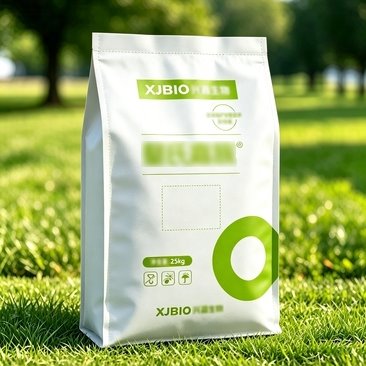
At the end of the day, the advantage of multi-layer aquatic feed composite bags isn’t just one thing—it’s a combination of better feed protection, cost savings, safety, and sustainability. It’s about a bag that works as hard as the people who use it, in an industry where every percentage point of efficiency matters. If you’re tired of feed spoiling, bags breaking in transit, or wasting money on low-quality packaging, it’s worth looking into multi-layer composite options. I’ve seen too many operations turn around their profitability just by switching packaging. If you’re interested in learning more about how our bags can work for your farm or feed mill, reach out to our team to discuss your specific needs. We’d be happy to share test data, customer testimonials, and custom solutions tailored to your aquatic feed requirements.
Livestock Feed Composite Bags References
- Aquaculture Feed Packaging Best Practices, International Feed Industry Federation, 2022.
- Barrier Film Technology for Agricultural Packaging, Journal of Packaging Science and Technology, Vol. 31, No. 2, 2021.
- Sustainability in Aquatic Feed Packaging: Life Cycle Analysis, Global Aquaculture Alliance, 2023.
- Tensile Strength and Durability of Composite Packaging Materials, American Society of Agricultural and Biological Engineers, 2020.
Zhejiang Xifeng Packaging Co., Ltd.
We are one of the most experienced aquatic feed composite bags manufacturers and suppliers in China. With a professional production team, we offer a wide range of products with superior quality. Please feel free to buy bulk aquatic feed composite bags at competitive price from our factory. We also accept customized orders.
Address: Xiaojiang Town, Pingyang County, Wenzhou City, Zhejiang Province, China
E-mail: zjxifeng@126.com
WebSite: https://www.xifengpackaging.com/
